Watches
Understanding Replica Luxury Watches
The world of replica luxury watches has transformed dramatically in recent years. What was once a market dominated by obvious counterfeits has evolved into a sophisticated industry producing timepieces that challenge even experienced collectors' ability to distinguish them from authentic pieces.
Quality Tiers in Replica Watches
Replica watches are categorized into several quality tiers:
- Low-grade replicas: Usually mass-produced with minimal attention to detail and poor-quality materials.
- Mid-grade replicas: Better finished with improved materials but still with noticeable differences from authentic pieces.
- High-grade replicas: Sometimes called "super replicas" or "mirror quality" pieces, these feature premium materials and close attention to details.
- Premium replicas: The highest quality tier, often featuring Swiss or Japanese movements and finishing that challenges even experienced eyes.
Analyzing Watch Movements
The movement (the mechanism that powers the watch) is one of the most significant differentiators between authentic luxury watches and their replicas:
Common Movements in Replica Watches
- Chinese standard movements: Basic, mass-produced movements found in lower-tier replicas.
- Japanese movements: More reliable and accurate, typically Miyota or Seiko calibers.
- Swiss ETA clones: Replications of Swiss movements with varying degrees of quality.
- Genuine ETA movements: Premium replicas may contain actual Swiss movements, making them functionally similar to authentic pieces.
Popular Replica Watch Brands
While the replica market offers copies of virtually every luxury watch brand, some are more frequently replicated than others due to their popularity and recognizability:
Most Commonly Replicated Brands
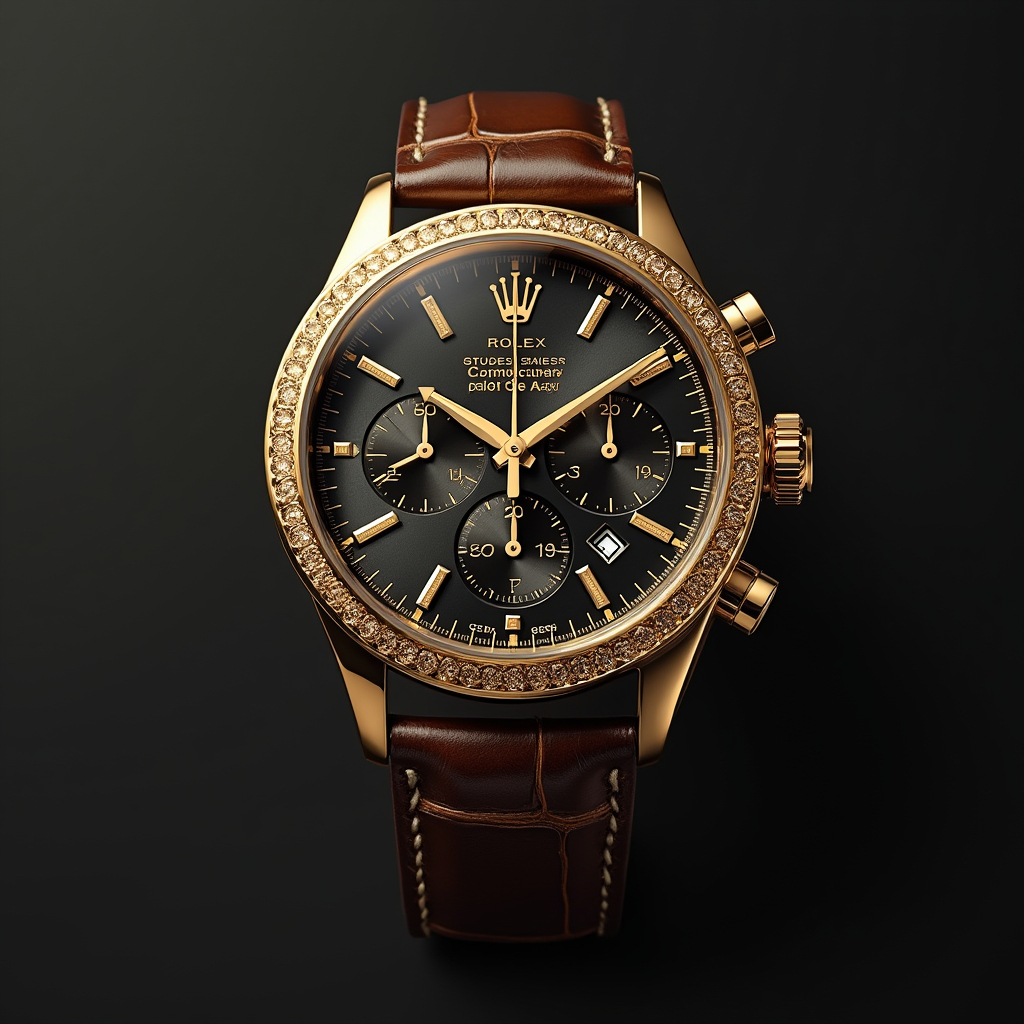
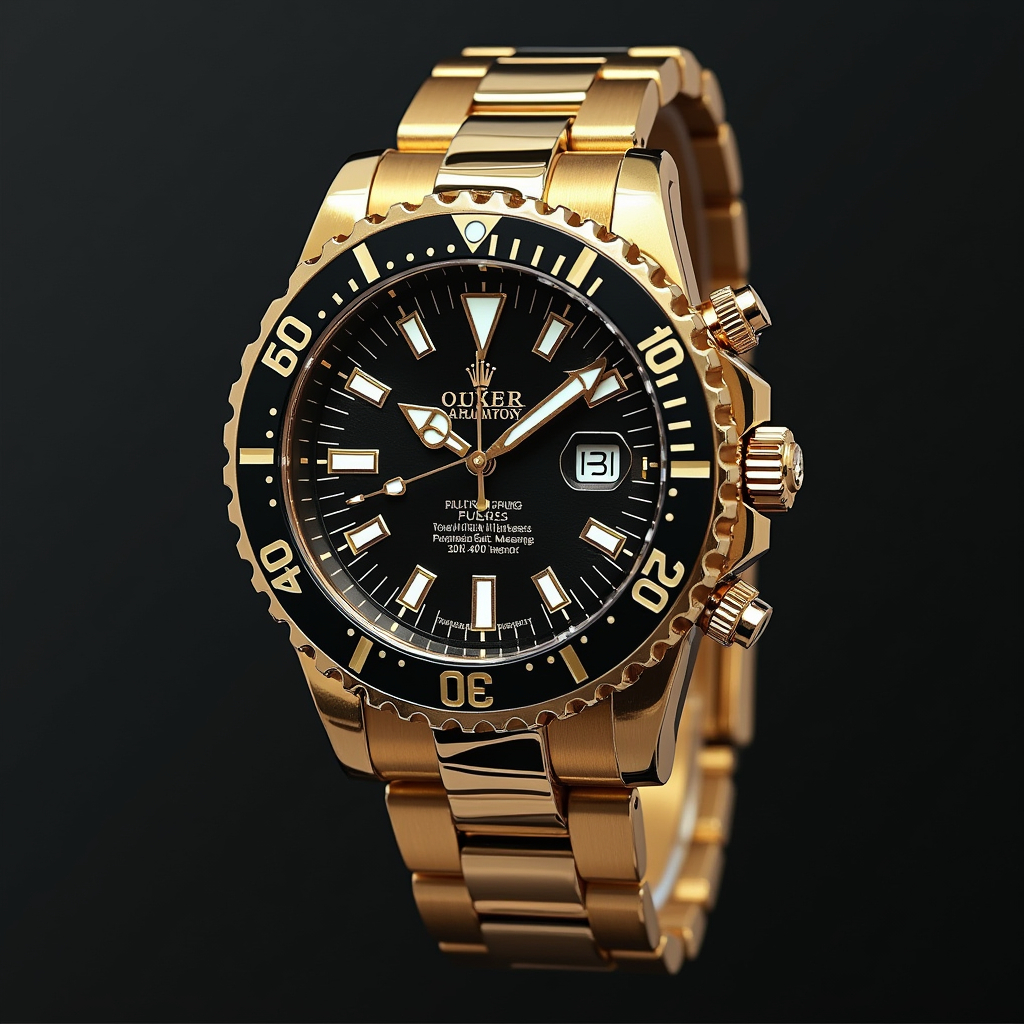
- Rolex: Particularly Submariner, Daytona, and Datejust models
- Omega: Especially Seamaster and Speedmaster lines
- Breitling: Navitimer and Superocean models
- Patek Philippe: Nautilus and Calatrava designs
- Audemars Piguet: Primarily Royal Oak variants
- Hublot: Big Bang and Classic Fusion models
Authentication Techniques
For educational purposes, understanding how to authenticate a luxury watch can help consumers make informed decisions about the timepieces they encounter:
Key Authentication Factors
- Weight and feel: Authentic luxury watches typically have substantial weight due to quality materials.
- Movement details: Observable through transparent casebacks or by a watchmaker.
- Serial numbers: Can be verified with manufacturers (though some premium replicas now include convincing serial numbers).
- Finishing quality: Details like polishing, dial printing, and hand alignment are often revealing.
- Box and papers: Authentic watches come with specific documentation and packaging.
Ethical and Legal Considerations
It's essential to understand the legal and ethical aspects of replica watches:
- Manufacturing and selling replicas that use protected trademarks is illegal in most countries.
- Personal importation laws vary by country, with some permitting individuals to import replicas for personal use while others strictly prohibit it.
- Luxury watch brands invest significantly in research, development, and craftsmanship, which replica production does not support.
Alternative Options
For those appreciating fine watchmaking without the price tag of luxury brands, several legitimate alternatives exist:
- Microbrands: Independent watchmakers producing quality timepieces at more accessible prices.
- "Homage" watches: Legally produced watches inspired by famous designs but with different branding.
- Pre-owned market: Authentic luxury watches at reduced prices compared to new models.
- Entry-level luxury: Brands like Longines, Tissot, and Hamilton offer Swiss quality at more accessible price points.
Educational Purpose
This article is provided for educational purposes only. Replothe does not sell, promote, or endorse counterfeit products. Understanding the replica market helps consumers make informed decisions and appreciate authentic craftsmanship.