How to Spot Replica vs Authentic Designer Shoes: A Detailed Comparison
How to Spot Replica vs Authentic Designer Shoes: A Detailed Comparison
Distinguishing between replica and authentic designer shoes requires a careful examination of materials, construction, fine details, and packaging. This educational guide helps you understand the key differences between genuine designer footwear and their replicas.
Material Quality: The First Indicator
Authentic designer shoes use premium materials that often include:
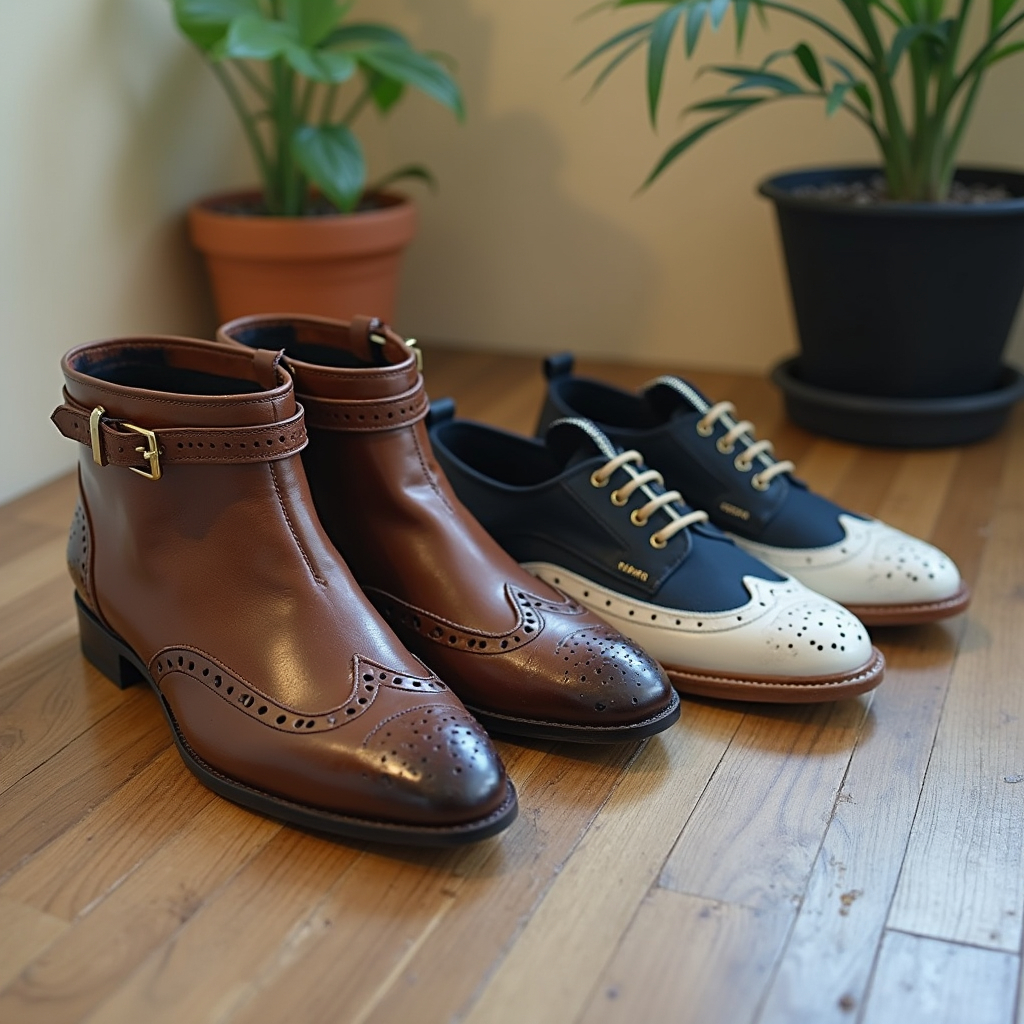
- Leather quality: Genuine designer shoes use high-grade leathers that feel supple and smell distinctly natural. Replicas typically use lower-grade leather or synthetic alternatives that may feel stiff or have an artificial scent.
- Consistent stitching: Luxury brands maintain impeccable stitching standards with even, tight patterns. Replicas often show inconsistent stitch length, loose threads, or uneven patterns.
- Sole construction: Authentic shoes feature precisely molded soles with clean adhesion to the upper. Replicas may show excess glue, uneven attachment, or poor-quality rubber.
When examining a pair of shoes, always check multiple material aspects rather than focusing on just one element.
Brand-Specific Authentication Points
Each designer brand has unique identifiers that help authenticate their footwear:
Christian Louboutin
The iconic red sole of Louboutin shoes is made from a specific shade of lacquered red. Authentic versions have a vibrant, glossy finish that's consistently applied, while replicas often use a flatter red that may appear orange-tinted or unevenly applied. The insole stamp should be crisp and precisely centered.
Gucci
Authentic Gucci shoes feature precisely aligned patterns, particularly in their iconic GG canvas. The hardware (buckles, horsebit details) should be substantial in weight and evenly finished without rough edges. The insole logo must be deeply stamped, not printed superficially.
Nike Limited Editions
For limited-edition Nike releases, check the box label for accurate production dates, style numbers, and color codes that match the shoes. Authentic pairs have precisely cut swoosh logos with clean edges and uniform stitching around performance elements.
Hardware and Detail Examination
The small details often reveal the biggest differences:
- Weight: Authentic metal hardware (buckles, decorative elements) typically feels substantial compared to the lighter alternatives used in replicas.
- Logo precision: Genuine designer logos are precisely applied with clean edges and proper font weight. Replicas often show slight variations in font thickness, spacing, or alignment.
- Finishing touches: Examine edge painting, welt construction, and heel attachment. Premium brands execute these with remarkable precision.
Packaging and Documentation
Authentic designer shoes include:
- Dust bags: Made from quality materials with precise logo printing and consistent stitching.
- Boxes: Sturdy construction with perfect printing, authentic color matching, and precise alignment.
- Authentication cards/certificates: Feature security elements like holograms, embossing, or specialized printing techniques.
While packaging can be replicated, the attention to detail in authentic packages is typically superior.
Price Considerations
The pricing should reflect the market value of authentic designer shoes. Extremely low prices for supposedly new, authentic designer footwear should raise immediate suspicion. Research the current retail and resale values before making a purchase.
Conclusion
Authenticating designer shoes requires examining multiple elements collectively rather than focusing on a single feature. By developing an eye for material quality, construction precision, and brand-specific details, you can better distinguish between authentic luxury footwear and replicas.
Remember that this guide is for educational purposes only, aimed at helping consumers understand product quality and craftsmanship differences.