Hats Caps
Replica Designer Hats & Caps: Quality Assessment Guide
Comprehensive analysis of replica designer hats and caps, examining material quality, construction standards, and authentication indicators for informed purchasing decisions.
Quality Assessment of Replica Designer Hats & Caps
Designer headwear represents a highly visible accessory category that bridges practical function with fashion statement. Understanding quality variables across different styles helps consumers make informed decisions about these prominently displayed accessories.
Material Quality in Replica Hats & Caps

Material selection forms the foundation of headwear quality, with substantial variation across manufacturers:
- Primary Materials: Premium replicas use appropriate fabrics specific to the style (wool, cotton, canvas, etc.) with proper weight and finish, while lower-quality versions substitute with inferior materials lacking proper texture, weight, or natural properties.
- Internal Components: Quality replicas incorporate proper structural elements and sweatbands with appropriate materials, whereas budget options often use basic components that deteriorate quickly.
- Embellishment Elements: High-end replicas use quality hardware, embroidery, or decorative elements with secure attachment methods, while budget versions employ simplified decorations with basic attachment techniques.
Material Assessment
Quality hat and cap materials maintain their properties when subjected to handling and moisture. Premium fabrics recover shape after compression, while inferior materials remain permanently deformed. Natural fibers typically offer better moisture management and comfort compared to synthetic alternatives prevalent in lower-tier replicas.
Construction Standards
Construction quality dramatically affects both appearance and durability in replica headwear:
- Panel Construction: Premium replicas feature proper panel alignment and secure joining methods, while lower-quality versions show inconsistent assembly or vulnerable seam points.
- Shape Formation: Quality replicas maintain appropriate structure and shape retention, whereas budget options often lose intended form after limited wear or exposure to elements.
- Interior Finishing: Higher-end replicas incorporate complete interior elements with proper attachment and finishing, details often simplified in budget versions affecting comfort and longevity.
Authentication Guide by Headwear Style
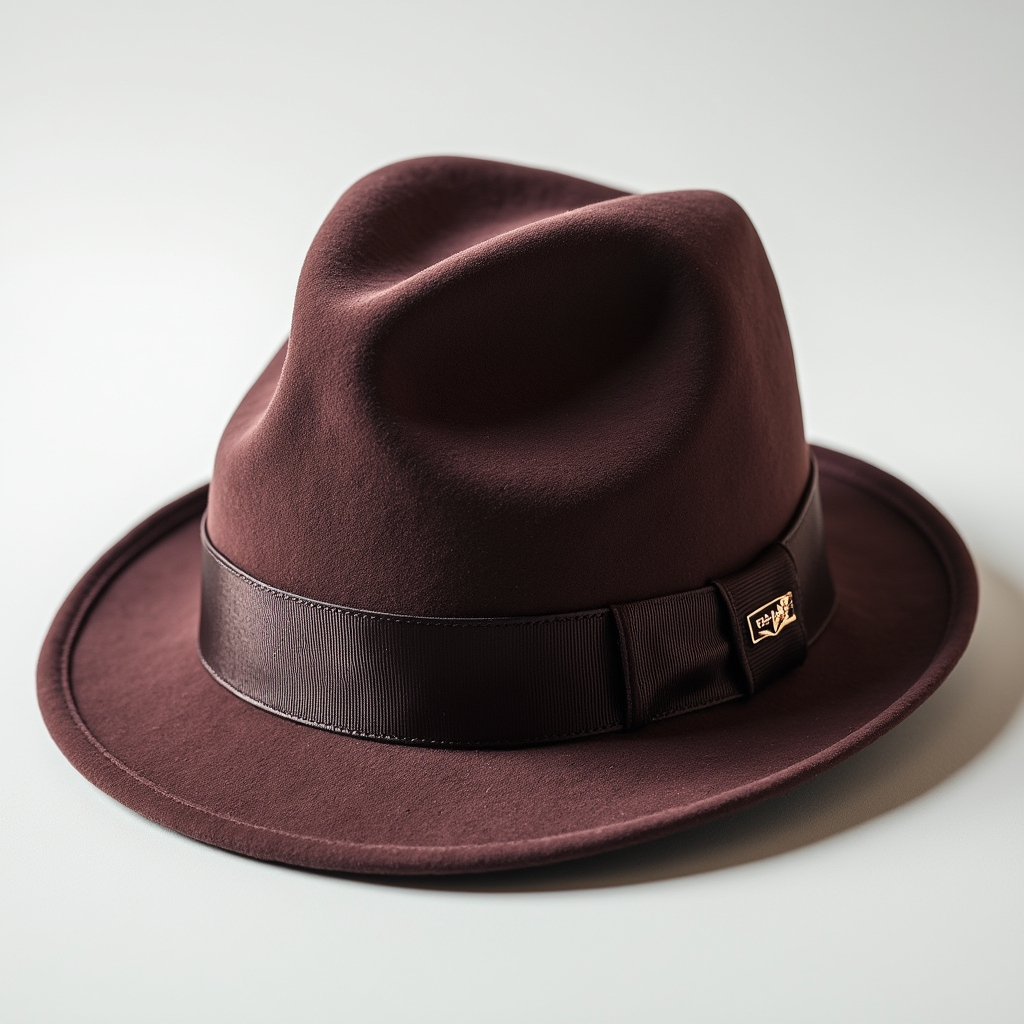
Baseball and Sports Caps
Athletic-inspired caps represent the most replicated headwear category. Authentication points include:
- Panel alignment and consistent stitching
- Visor construction and curvature consistency
- Embroidery definition and secure backing
- Sweatband attachment and material quality
Structured Hats
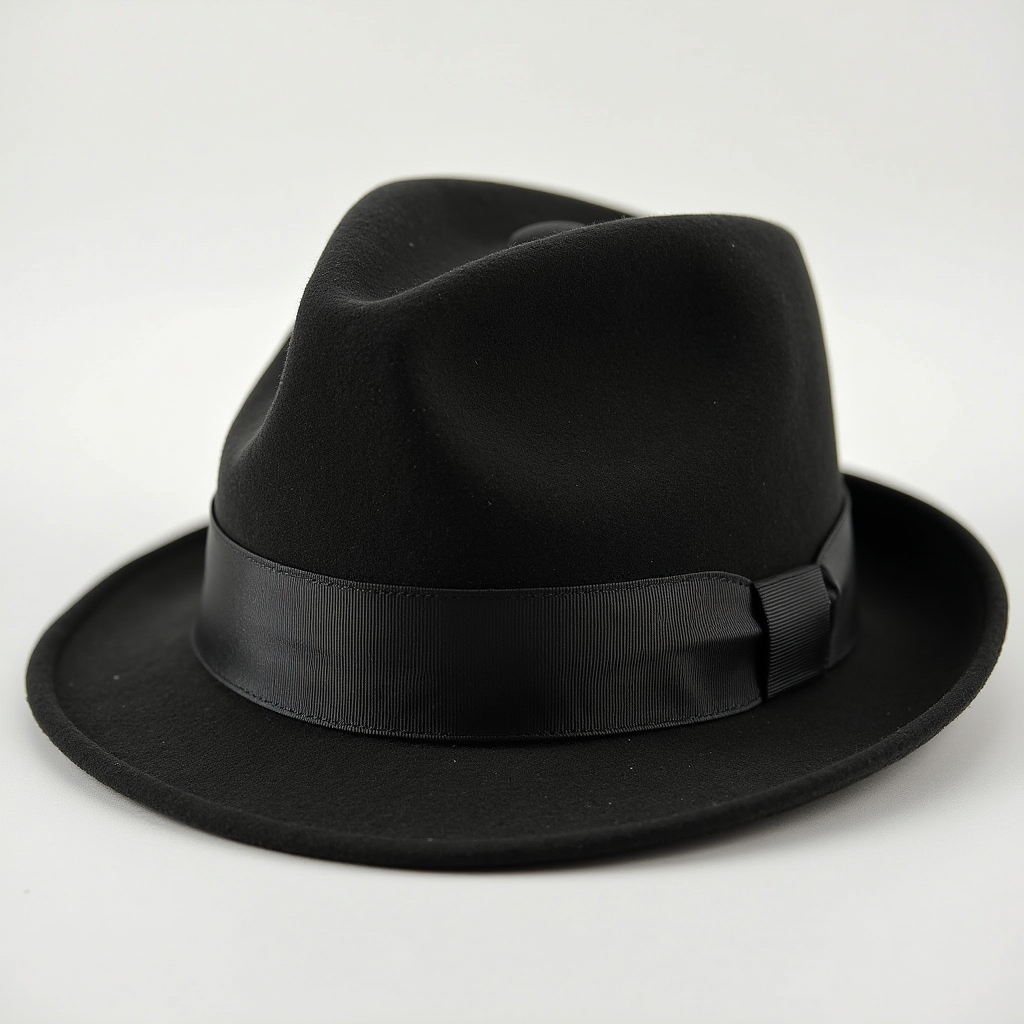
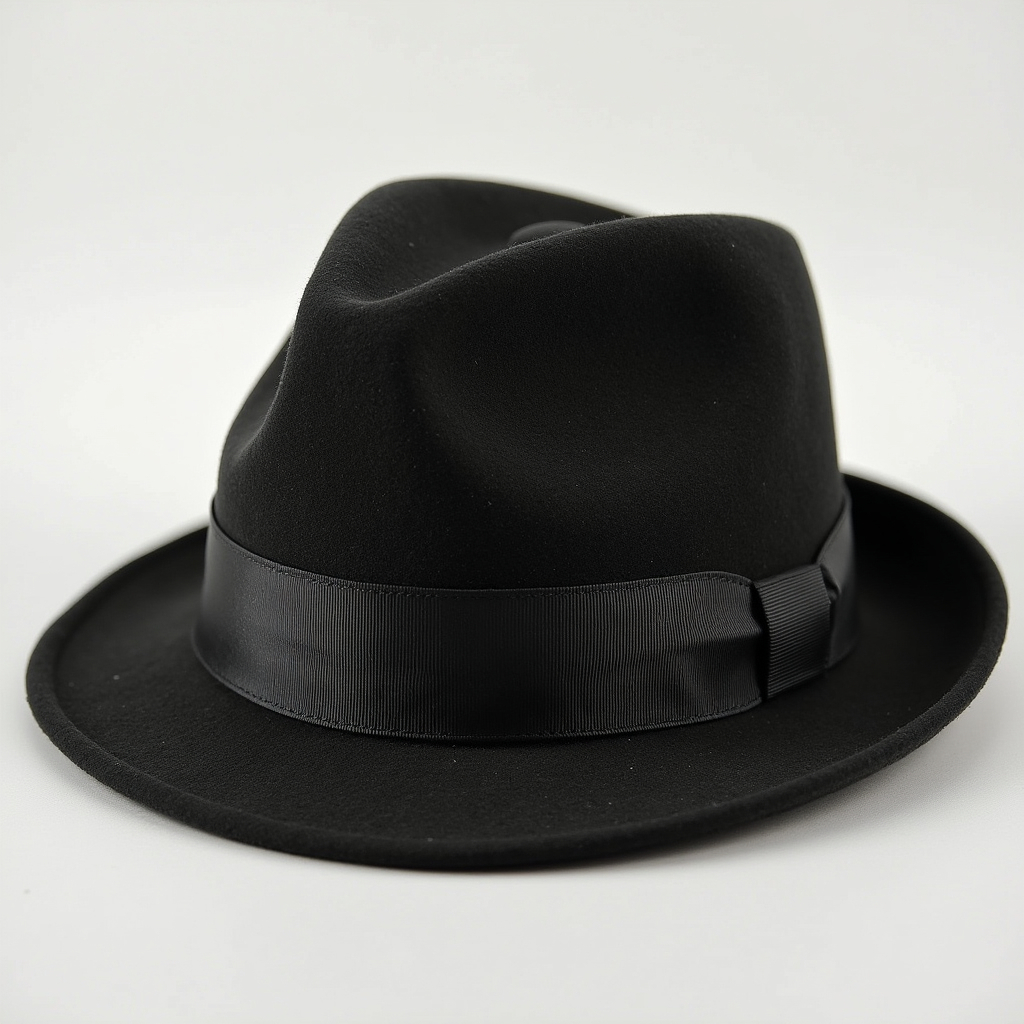
Formal and structured hats feature distinctive elements that aid in authentication:
- Crown structure and appropriate rigidity
- Brim formation and edge finishing
- Band attachment method and alignment
- Internal sizing component quality
Casual and Unstructured Styles
Casual headwear authentication focuses on:
- Material quality and appropriate drape
- Consistent color application throughout
- Closure system functionality and durability
- Brand-specific detail execution
Common Quality Issues in Replica Headwear
Typical issues encountered in replica designer hats and caps include:
- Structure Loss: Many replicas show premature shape deterioration, particularly in structured styles intended to maintain specific crown or brim formations.
- Color Fastness: Lower-quality replicas often experience color fading or transfer when exposed to sunlight or moisture, unlike authentic pieces designed for color stability.
- Hardware Problems: Budget replicas frequently incorporate inferior closure systems or adjuster hardware that fails after limited adjustment cycles.
- Embroidery Degradation: Many replicas use simplified embroidery techniques that unravel or distort after cleaning or regular wear.
Consumer Advisory: When evaluating replica headwear, examine structural stability by testing shape retention and recovery. Quality replicas maintain intended form throughout normal wearing conditions, while inferior options quickly reveal construction limitations in everyday use.
Market Trends in Replica Headwear
The replica hat and cap market continues to evolve with several notable trends:
- Performance Integration: Higher-end replicas increasingly incorporate genuine technical fabrics with UV protection and moisture management properties similar to authentic performance pieces.
- Sizing Advancement: More manufacturers now offer expanded sizing options or adjustable systems providing improved fit compared to earlier generation replicas.
- Embellishment Technology: Premium replica producers have introduced improved embroidery and printing techniques that better withstand cleaning and regular wear.
Ethical and Legal Considerations
The replica headwear market raises several ethical and legal questions:
- Trademark infringement regarding distinctive logos and brand identifiers
- Environmental impact of fabric production and dye processes
- Labor practices in manufacturing facilities
- Cultural appropriation concerns in heritage-inspired designs
Consumers should consider these factors, particularly regarding the prominent display of protected logos and branding in public settings.
Conclusion: Making Informed Decisions
Designer headwear represents significant visual statements often worn in high-visibility situations. When considering replicas, evaluate:
- The specific wearing conditions and environmental exposures anticipated
- Proper fit requirements for comfort during extended wear
- Cleaning and maintenance expectations
- Alternative independent headwear brands offering original designs with quality construction
For those seeking authentic designer headwear at reduced prices, consider end-of-season sales and outlet shopping, which can offer authentic pieces at significant discounts, particularly for classic styles without distinctive seasonal elements.