Boots
Replica Designer Boots: Quality Assessment Guide
Comprehensive analysis of replica designer boots, examining material quality, construction standards, and authentication indicators for informed purchasing decisions.
Quality Assessment of Replica Designer Boots
Designer boots represent one of the most technically complex and structurally demanding categories in the luxury footwear market. Understanding quality variables across different styles helps consumers make informed decisions balancing aesthetics with durability and comfort.
Material Quality in Replica Boots
Material selection is perhaps the most critical factor in replica boot quality, with substantial differences across manufacturers:
- Leather Quality: Premium replicas use appropriate leather types (calfskin, suede, etc.) with proper thickness and treatment for the specific boot style, while lower-quality versions use thin or improperly treated leather that deforms quickly.
- Waterproofing: Quality replicas incorporate proper weatherproofing treatments or membranes when appropriate to the style, whereas budget options often claim but fail to deliver meaningful weather resistance.
- Lining Materials: High-end replicas use proper insulating or comfort linings specific to the boot type, while budget versions use generic synthetic linings regardless of style requirements.
Material Assessment
Leather quality can be assessed through thickness consistency and flexibility testing. Premium leathers maintain structure while allowing appropriate flex, whereas inferior materials either remain too rigid or collapse without proper support. Water beading on treated leather surfaces indicates proper weatherproofing.
Construction Standards
Construction quality dramatically affects both appearance and performance in replica boots:
- Sole Attachment: Premium replicas feature secure sole attachment with proper techniques specific to the style (Goodyear welt, storm welt, direct injection, etc.), while lower-quality versions use basic gluing methods prone to early failure.
- Shaft Construction: Quality replicas incorporate proper structural elements in boot shafts to maintain shape and support, whereas budget options often collapse or deform with regular wear.
- Hardware Quality: Higher-end replicas use durable metal hardware with secure attachment methods, details often compromised in budget versions with plastic components or surface-mounted hardware.
Authentication Guide by Boot Category
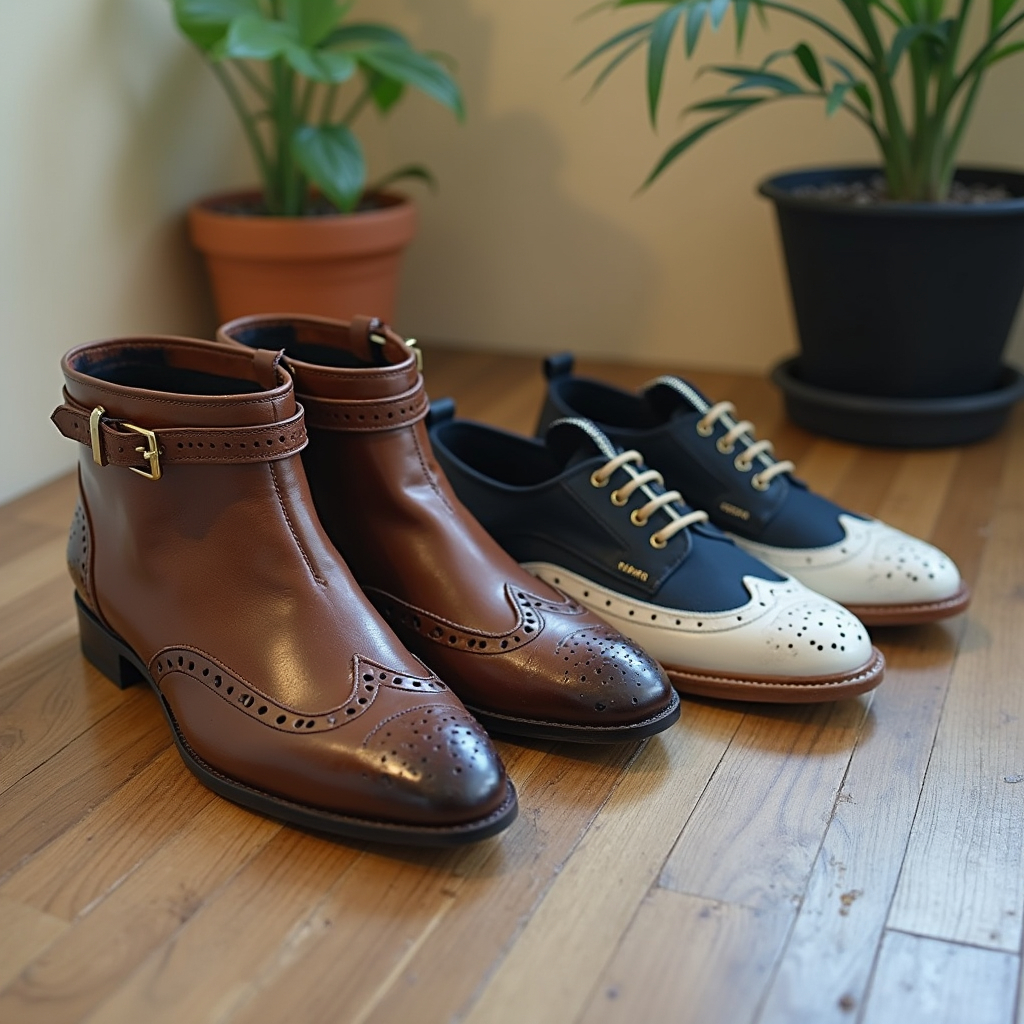
Combat and Military-Inspired Boots
Designer combat boots are widely replicated in the luxury market. Authentication points include:
- Hardware quality and secure attachment methodology
- Specific sole pattern reproduction accuracy
- Tongue gusset construction and waterproofing
- Heel counter structure and reinforcement
Chelsea and Ankle Boots
Chelsea and ankle boots feature distinctive elements that aid in authentication:
- Elastic panel quality and tension consistency
- Pull tab construction and attachment security
- Toe shape accuracy specific to brand
- Transition between upper and sole finishing
Riding and Tall Boots
Tall boot authentication focuses on:
- Shaft height and circumference accuracy
- Zipper quality and smooth operation
- Internal shaft structure and support
- Leather thickness consistency throughout
Common Quality Issues in Replica Boots
Typical issues encountered in replica designer boots include:
- Shaft Collapse: Many replicas show premature shaft deformation due to inadequate internal structure, particularly evident in taller boot styles.
- Water Penetration: Lower-quality replicas often fail to provide claimed weatherproofing, with seepage occurring at seams or through inadequately treated materials.
- Hardware Failure: Budget replicas frequently experience early hardware issues, including zipper separation, eyelet pulling, or hook detachment under normal wear conditions.
- Comfort Degradation: Many replicas show rapid breakdown of internal padding and support elements, resulting in decreased comfort after limited wearing periods.
Consumer Advisory: When evaluating replica boots, examine structural elements by applying pressure to the shaft in multiple directions. Quality replicas maintain shape while offering appropriate flexibility, whereas inferior options either remain excessively rigid or collapse without adequate resistance.
Market Trends in Replica Boots
The replica boot market continues to evolve with several notable trends:
- Technical Integration: Higher-end replicas increasingly incorporate functional elements like genuine waterproof membranes and thermal insulation, addressing performance considerations beyond aesthetics.
- Customization Options: More manufacturers now offer width variations and shaft circumference options to accommodate different foot and leg proportions.
- Seasonal Adaptation: Premium replica producers increasingly offer weight and lining variations of popular styles to accommodate different seasonal requirements.
Ethical and Legal Considerations
The replica boot market raises several ethical and legal questions:
- Design patent infringement regarding distinctive aesthetic elements
- Safety concerns regarding inadequate structural support
- Misrepresentation of material composition or performance characteristics
- Environmental impact of synthetic materials and production methods
Consumers should consider these factors, particularly regarding potential foot health issues from regularly wearing improperly structured footwear.
Conclusion: Making Informed Decisions
Designer boots represent significant investments in authentic form, making replicas appealing for many consumers. When considering replicas, evaluate:
- The specific wearing conditions and environmental exposures anticipated
- Structural support requirements for your specific foot and leg anatomy
- Priorities between aesthetic accuracy and practical performance
- Alternative mid-tier boot brands offering original designs with quality construction and warranties
For those seeking authentic designer boots at reduced prices, consider end-of-season sales and outlet shopping, which can offer authentic pieces at significant discounts, particularly for classic styles that maintain relevance across multiple seasons.